

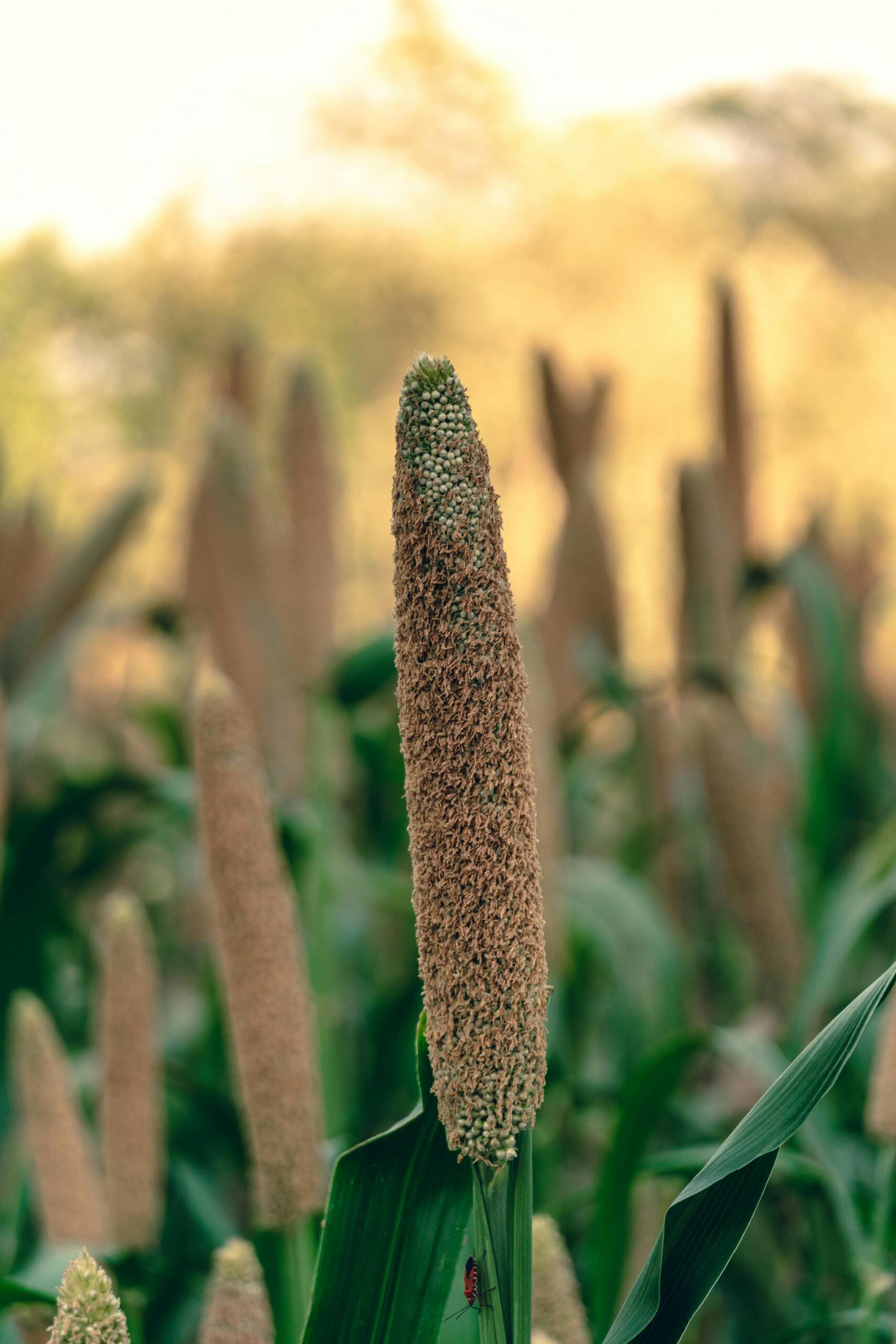
Millet – The Resilient Grain for Sustainable Farming
Millet is an ancient and nutritious grain known for its drought resistance, fast growth cycle, and versatility in culinary applications. At Cepheid Seed, we offer premium millet seed varieties that deliver high yield, climate resilience, and superior nutritional value, ensuring a sustainable and profitable harvest for farmers.
Key Features of Our Millet Seeds:
✅ Drought & Heat Tolerance: Ideal for arid and semi-arid regions, requiring minimal water to grow.
✅ High Yield Potential: Developed to produce abundant grains per plant, increasing profitability.
✅ Pest & Disease Resistance: Naturally resistant to common pests and diseases like smut and downy mildew.
✅ Nutrient-Rich: Rich in fiber, protein, vitamins, and minerals, offering a healthy food alternative.
✅ Soil Health Benefits: As a low-input crop, millet helps conserve soil fertility by minimizing the need for chemical fertilizers.
Why Choose Cepheid Seed’s Millet?
- Adaptable to Various Soils: Performs well in poor soils, making it an excellent choice for marginal lands.
- Low Maintenance Crop: Requires minimal care, making it suitable for both large-scale and small-scale farmers.
- Climate Resilient: Perfect for climate-smart agriculture, reducing the dependency on water and making it a staple for sustainable farming practices.
Types of Millet We Offer:
✔ Pearl Millet (Bajra): The most widely cultivated millet, used in flour production, traditional dishes, and animal feed.
✔ Finger Millet (Ragi): A highly nutritious variety, known for its high calcium and iron content, perfect for health-conscious consumers.
✔ Foxtail Millet: A fast-growing variety, often used in health foods, like gluten-free snacks and cereals.
✔ Proso Millet: Typically used in bird feed, and gaining popularity in human consumption due to its nutritional profile.
At Cepheid Seed, we are committed to providing high-quality millet seed varieties that support sustainable farming, healthier diets, and greater resilience against climate challenges.